
5mm float glass
Precision is crucial in industries such as construction, manufacturing, and engineering. Whether you’re a professional or a DIY enthusiast, having the right measuring tool ensures accuracy in every project. From engineering measuring tools to industrial measurement tools , there are various options available for different applications. This article will guide you through the best choices when looking for a measuring tool for sale . Different Measuring Tools: Choosing the Right Instrument There are numerous different measuring tools designed for specific purposes. Each type serves a unique function, ensuring precise readings for various measurements. Some of the most commonly used measuring tools include: Rulers and tape measures: Ideal for basic length and width measurements. Calipers: Used for precise internal and external measurements. Micrometers: Essential for detailed measurements in mechanical engineering. Laser distance meters: Provide quick and accurate distance readings. When searching for a measuring tool for sale , it’s important to select the right instrument based on the project’s requirements. Investing in high-quality engineering measuring tools ensures better results and long-term usability. Industrial Measurement Tools: Ensuring Accuracy in Manufacturing For industrial applications, specialized industrial measurement tools are required. These tools are designed to withstand heavy-duty usage and provide accurate readings in demanding environments. Some of the most common industrial measurement tools include: Digital height gauges: Used for precise vertical measurements in manufacturing. Coordinate measuring machines (CMM): High-precision devices for inspecting objects in 3D. Optical comparators: Ideal for checking part dimensions in quality control. If you are looking for industrial measurement tools or industrial tools and gauges , it’s essential to choose products from reputable manufacturers to ensure durability and precision. Gauge Measurement Tool: The Importance of Accuracy A gauge measurement tool is essential for industries that require precision, such as automotive, aerospace, and metalworking. Industrial gauges are used to measure pressure, temperature, depth, and other critical parameters. Common types include: Pressure gauges: Monitor fluid or gas pressure in systems. Depth gauges: Measure the depth of holes, grooves, or slots. Thickness gauges: Determine material thickness for quality control. Having the right industrial gauge or gauge measurement tool ensures that processes run smoothly and efficiently. When browsing for a measuring tool for sale , consider adding specialized gauges to your toolkit.
about
5mm float glass
Understanding Granite Reference Plates A Foundation for Precision Granite reference plates, also known as granite surface plates, are fundamental tools in the realm of precision engineering and metrology. These plates serve as a stable, flat surface against which various measurements and machining processes can be conducted. Their significance can be attributed to the balance of stability, durability, and resistance to wear. In this article, we will explore the characteristics, applications, and advantages of granite reference plates. Characteristics of Granite Reference Plates Granite is preferred for reference plates for several reasons. Firstly, granite is an incredibly hard material, which makes it resistant to scratches and wear over time. This hardness ensures that the surface of the plate remains flat and retains its calibration. A flat surface is critical for accuracy in measurement, as even minor deviations can lead to significant errors in engineering applications. Moreover, granite has excellent dimensional stability. It is less susceptible to environmental changes, such as humidity and temperature fluctuations, compared to other materials. This stability is crucial in precision work where even slight warping can affect the results. Granite reference plates are often available in various grades, which indicate their flatness tolerance and overall quality. These are typically categorized into Grade AA, A, and B, with Grade AA being the most precise. The choice of grade depends on the specific application and required accuracy. Applications of Granite Reference Plates Granite reference plates find extensive use in various industries, primarily in quality control and inspection processes. Manufacturing sectors, such as automotive and aerospace, rely on precise measurements for components to ensure safety and performance standards are met. These plates are used with various measuring instruments, such as height gauges, dial indicators, and coordinate measuring machines (CMM). granite reference plate In addition to measurement, granite reference plates are also used as assembly platforms during the machining processes. Their flatness provides a reliable surface for assembling parts, ensuring that components fit together as intended, thus enhancing the overall quality of the finished product. Furthermore, granite plates are invaluable in the optical industry . They are commonly used as reference surfaces for aligning optical components in devices such as lasers and microscopes, where precision is essential for functionality. Advantages of Granite Reference Plates One of the primary advantages of using granite reference plates is their longevity. With proper care, these plates can last a lifetime, making them a worthy investment for businesses that prioritize quality and precision. Their durability reduces the need for frequent replacements, contributing to lower operational costs in the long run. Another advantage is their ease of maintenance. Unlike metal surfaces, granite does not rust, and cleaning it is a straightforward process that typically involves routine dusting and occasional polishing. This ease of cleaning helps to maintain the plate's flatness and ensures consistent measurement accuracy. Moreover, the non-porous nature of granite means that it does not absorb liquids, which prevents contamination and damage often associated with spills from oils or coolants used in machining processes. Conclusion In conclusion, granite reference plates are an essential component in the field of precision engineering. Their unique properties—hardness, dimensional stability, and resistance to wear—make them ideal for applications that demand meticulous accuracy. As industries continue to pursue higher standards of quality, the role of granite reference plates becomes even more significant. Investing in such tools not only safeguards the integrity of measurements but also enhances the overall manufacturing process, proving that precision truly begins with a solid foundation.
-

High quality industrial productsagement

High quality industrial products
View Details -

Meet the diverse needs of customers

Meet the diverse needs of customers
View Details -

Strict quality control

Strict quality control
View Details -

Top raw materials

Top raw materials
View Details -

Trusted supplier

Trusted supplier
View Details
Our application


news and information
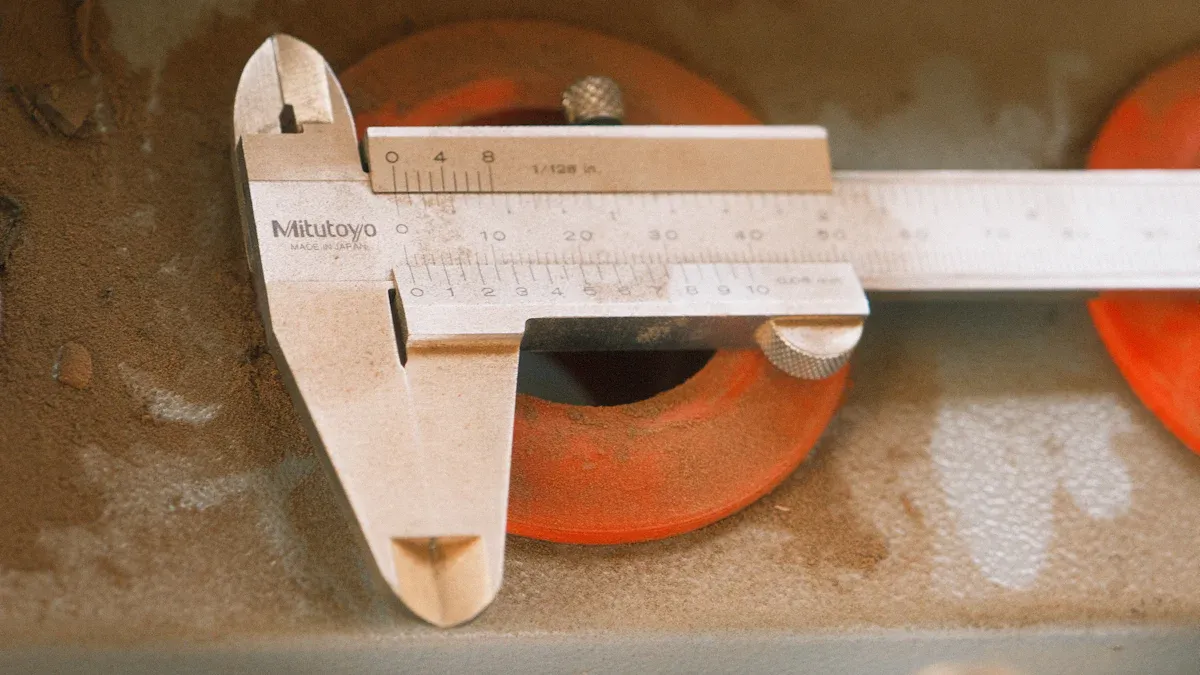
Versatile Granite Square Ruler for Precision Measuring and Construction Tasks
The granite square ruler, often celebrated as a pivotal tool in precision measurement and classical

which way to turn off water valve
Turning off a water valve might seem like a straightforward task, but understanding the nuances can
Využití paralelního pravítka v různých oborech a jeho výhody
Použití paralelních pravítek v praxi Paralelní pravítka jsou jedním z nejoblíbenějších nástrojů mezi
 English